Fundamentals
How to Dial In Espresso: The Complete Step-by-Step Guide
Dialing in espresso means adjusting your grind size, dose, and yield until your shot tastes balanced — sweet, not sour, not bitter. Start with 18 grams of...
Read the guide →Independent espresso gear reviews
We cross-checked manufacturer spec sheets, independent expert reviews, and long-term owner reports for every machine and grinder in our guides — then cut the list to the few worth your counter space. Every pick names its trade-offs, because every machine has them.
Why each machine earned its spot, who it fits, who should walk away, and the downsides nobody puts in the ads.
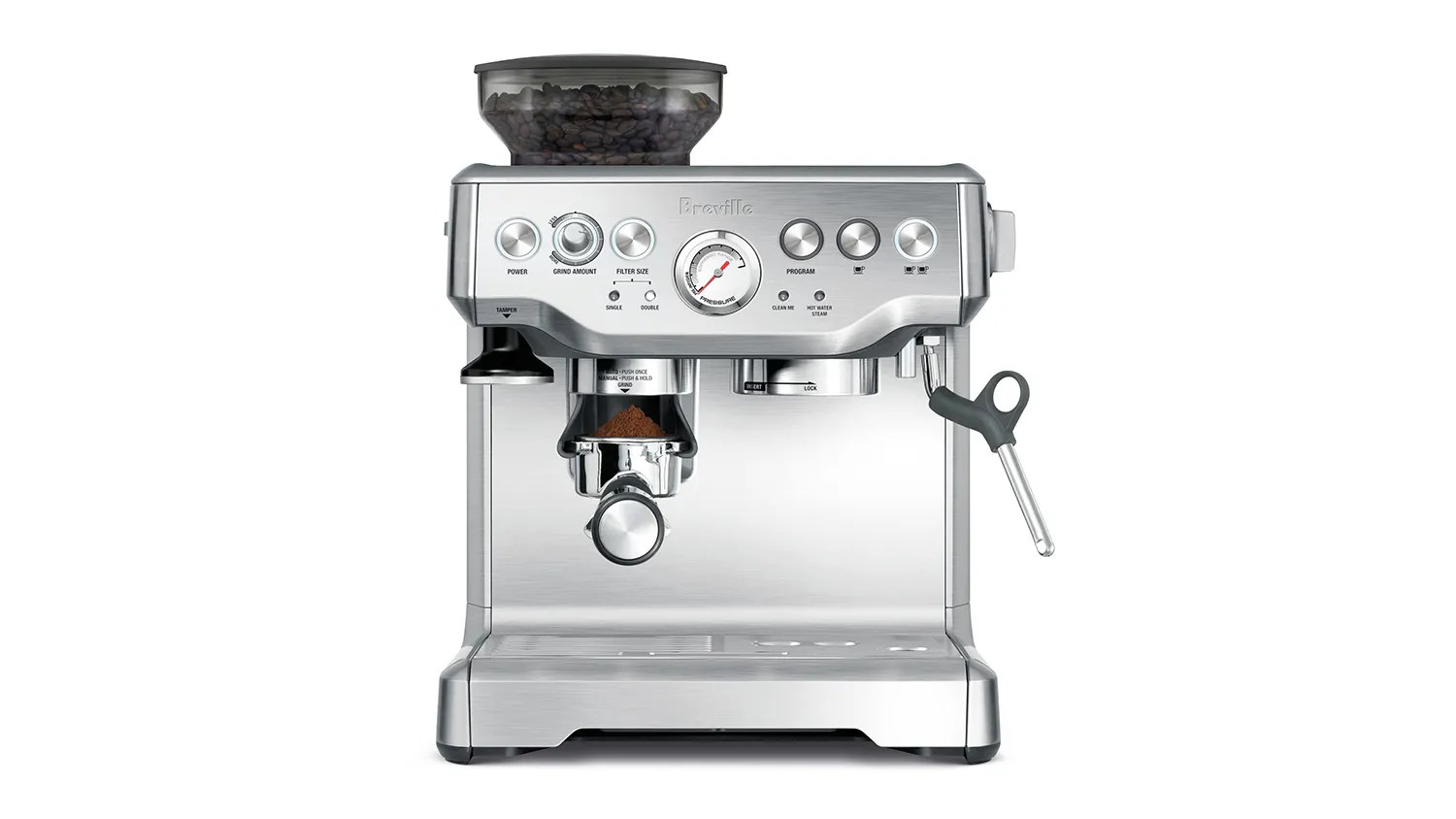
Who it’s for: First-time buyers who want one box, one purchase, and good espresso this weekend.
Who should skip it: You already own a good grinder, or want a 58mm upgrade path — see the Gaggia Classic Pro.
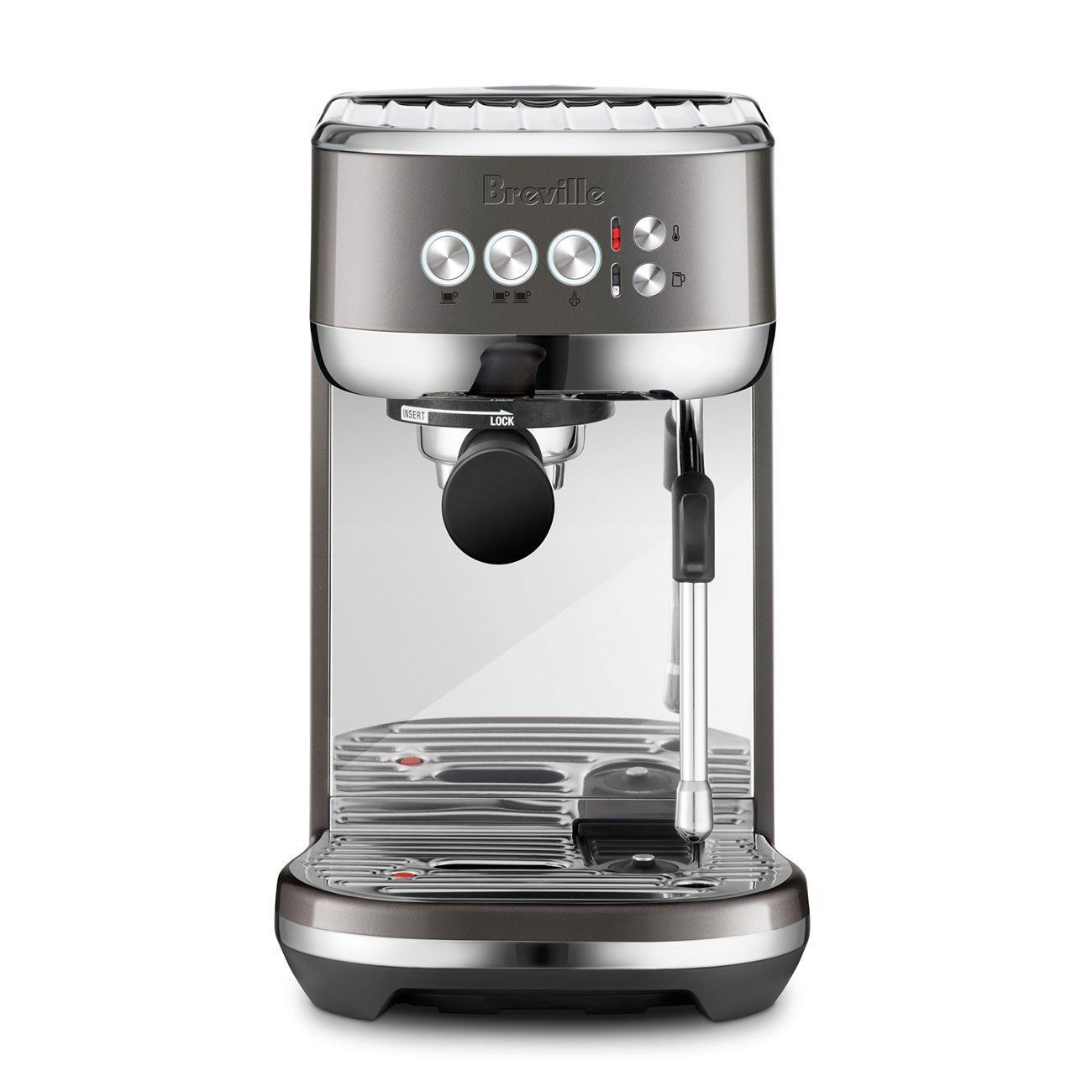
Who it’s for: Latte and cappuccino drinkers who want café milk without learning steam-wand technique.
Who should skip it: Straight-espresso drinkers — the base Bambino is the same brewer for less.
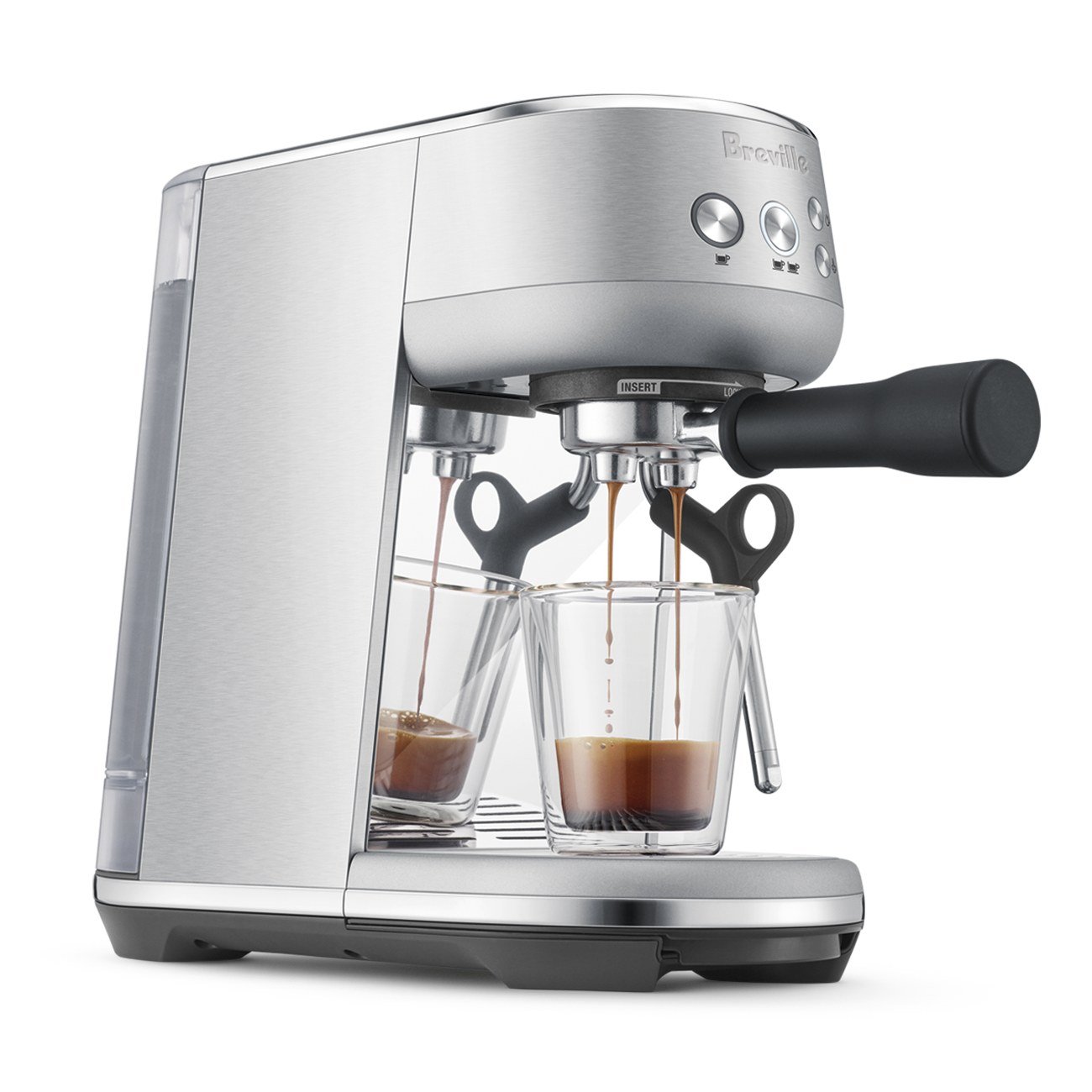
Who it’s for: Beginners and small kitchens that want real espresso fast, paired with a separate grinder.
Who should skip it: You want automatic milk texturing (that's the Bambino Plus) or a 58mm ecosystem.
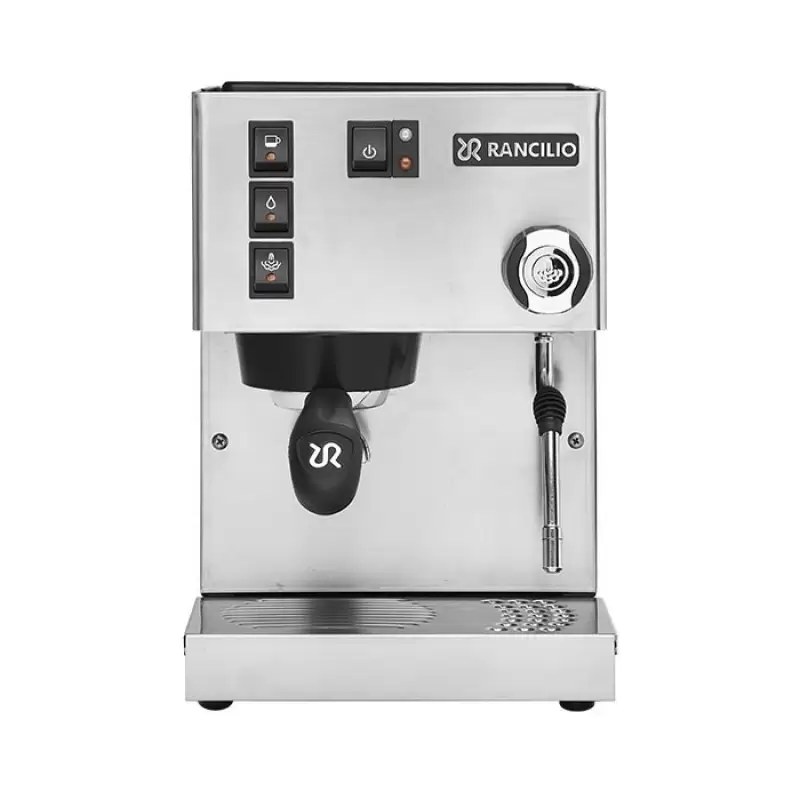
Who it’s for: Buy-it-for-life buyers who value build quality and steam over convenience features.
Who should skip it: Impatient mornings or tight budgets — the Gaggia gets you most of the way for half.
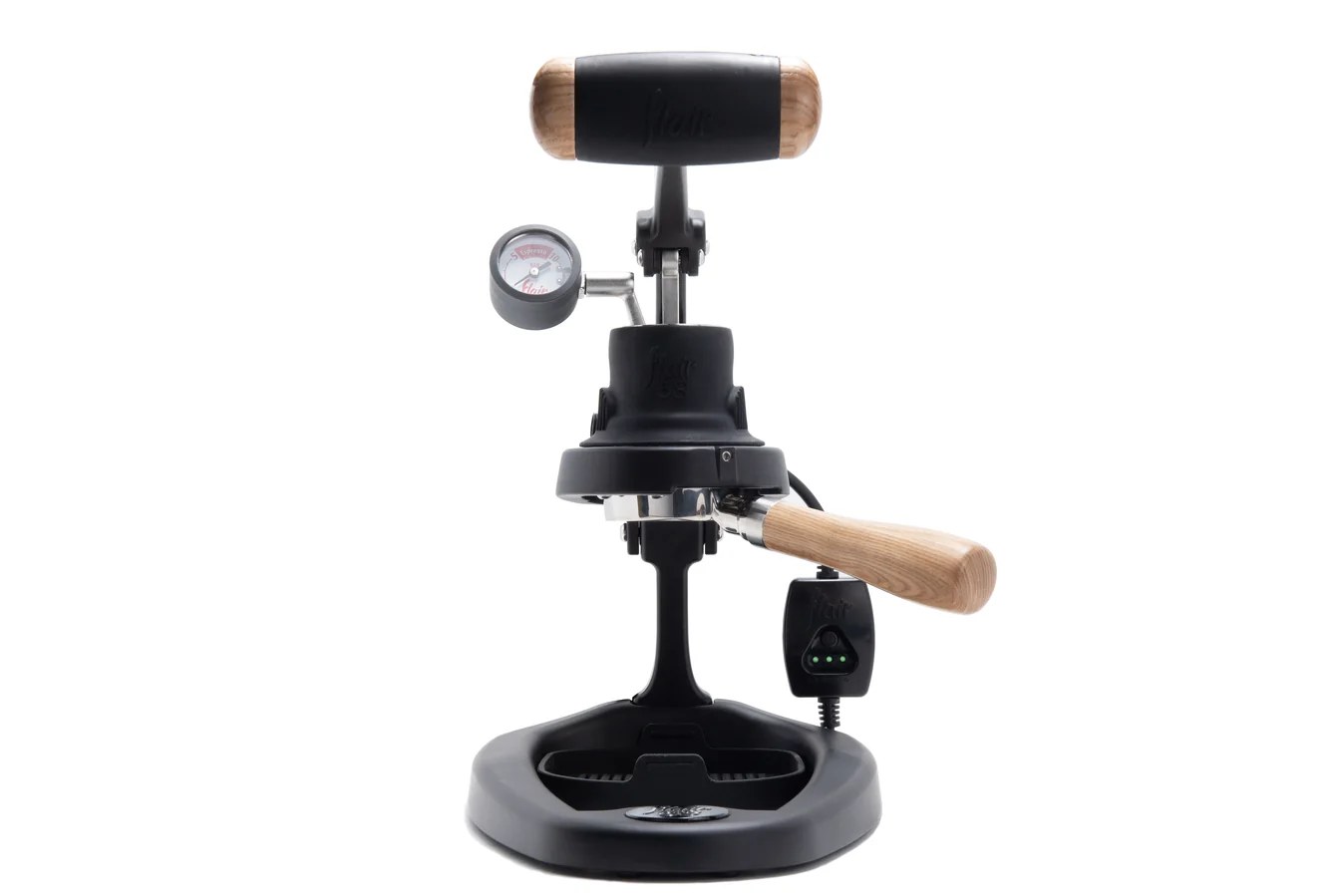
Who it’s for: Espresso purists who want profiling and don't drink milk drinks.
Who should skip it: Anyone who wants a drink with under two minutes of effort.
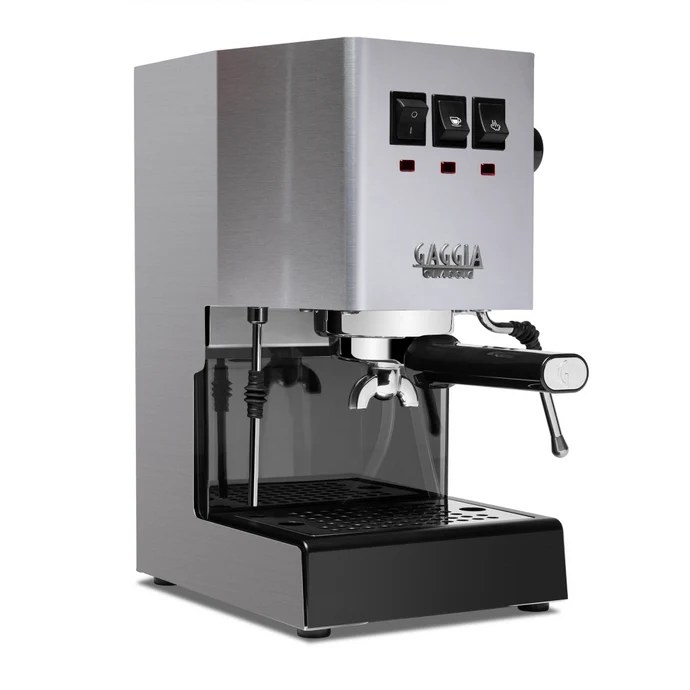
Who it’s for: Tinkerers who want an instrument to grow with — and who budget ~$200 for a grinder.
Who should skip it: You want push-button consistency or back-to-back milk drinks for a crowd.
The specs that actually decide daily life with a machine: how fast it’s ready, how much counter it eats, and how much upkeep it demands.
| Machine | Pump | Heat-up | Footprint (W × D) | Upkeep | Typical price | |
|---|---|---|---|---|---|---|
| Breville Bambino Plus | 15 bar, pre-infusion | 3 sec | 7.7" × 12.2" | Low Auto purge, cleaning alerts |
~$500 | Check current price on Amazon |
| Breville Bambino | 15 bar, pre-infusion | 3 sec | 7.7" × 12.2" | Low Cleaning-cycle prompts |
~$300 | Check current price on Amazon |
| DeLonghi Dedica | 15 bar | ~40 sec | 5.9" × 13" | Low Thermoblock descale |
~$330 | Check current price on Amazon |
| Breville Barista Express | 15 bar, pre-infusion | ~1–2 min | 12.5" × 15.8" | Moderate Backflush, descale, grinder cleaning |
~$750 | Check current price on Amazon |
| Gaggia Classic Pro | 15 bar (OPV ~12 stock) | ~5 min | 9.5" × 14.2" | Moderate Backflush and descale; mods optional |
~$450 | Check current price on Amazon |
| Rancilio Silvia | 15 bar, adjustable OPV | ~15–20 min | 9.2" × 11.4" | Moderate Backflush and descale; parts everywhere |
~$900 | Check current price on Amazon |
Pump figures are manufacturer ratings — espresso extracts at ~9 bars regardless; what matters is pressure control (pre-infusion, OPV), which is why it’s noted per machine. Grinders compared separately in our grinder guide.
Grind & Pull is a research publication, not a test lab — and we’d rather say that plainly than dress up spec sheets as hands-on testing. Here is exactly how a pick gets made:
Every pump, boiler, dimension, and heat-up claim is checked against the manufacturer’s spec sheet and manual — and against the marketing, which often disagrees (a “15-bar” badge says little; espresso extracts at 9).
We read the independent reviewers who bench-test these machines and only repeat a performance claim when multiple credible sources agree on it.
Long-term reliability comes from thousands of owner reports and community threads: what breaks, what clogs, what gets returned within a year.
Every pick lists its cons next to its pros. If a recommendation ever feels one-sided, that’s a bug — tell us and we’ll fix it.
Dialing in espresso means adjusting your grind size, dose, and yield until your shot tastes balanced — sweet, not sour, not bitter. Start with 18 grams of coffee in, 36 grams of espresso out, in 25–30 seconds. Taste the shot. If it's sour, grind finer. If it's bitter, grind coarser. Change one...
Read the complete guide →Then work through the espresso ratio guide and the troubleshooting guides when your shots misbehave.
Troubleshooting, technique, and buying advice — newest thinking first.
Fundamentals
Dialing in espresso means adjusting your grind size, dose, and yield until your shot tastes balanced — sweet, not sour, not bitter. Start with 18 grams of...
Read the guide →Fundamentals
An espresso ratio compares the weight of dry coffee grounds going in to the weight of liquid espresso coming out. A 1:2 ratio means 18 grams of coffee produces...
Read the guide →Troubleshooting
Sour espresso is under-extracted — water didn't pull enough out of the coffee. The most common cause is grind that's too coarse. Fix it by grinding finer in...
Read the guide →Troubleshooting
Bitter espresso is over-extracted — water pulled too much out of the coffee, including the harsh compounds that extract last. The most common cause is grind...
Read the guide →Troubleshooting
No crema almost always means stale beans. Crema is formed by CO2 gas escaping from fresh coffee under pressure — beans more than 4–5 weeks off roast have lost...
Read the guide →Technique
Tamp straight down with firm, even pressure until the coffee stops compressing — about 15–30 lbs of force. What matters far more than pressure is that the tamp...
Read the guide →Technique
WDT (Weiss Distribution Technique) means stirring your ground coffee with thin needles before tamping to break up clumps and even out the puck. It takes 10...
Read the guide →Technique
Espresso needs a fine grind — roughly 200–400 microns, about the texture of table salt or slightly finer. But "fine" spans a wide range: dark roasts need...
Read the guide →Fundamentals
9 bars is the real espresso standard — it's what the Italian Espresso Institute specifies and what every good machine targets at the puck. "15 bar" (or 19 bar)...
Read the guide →Fundamentals
They're all espresso — the difference is how much water you push through the puck. Ristretto (1:1–1:1.5 ratio) is short, intense, and sweet. Espresso/normale...
Read the guide →Buying Guides
The is the best espresso machine under $500 for most people — it heats up in 3 seconds, pulls genuinely good shots with its 54mm portafilter, and steams milk...
Read the guide →Buying Guides
The best complete espresso setup under $500 is the (~$300) paired with the hand grinder (~$160) — roughly $460 total for genuine 9-bar espresso with a grinder...
Read the guide →Buying Guides
The (~$160) is the best espresso grinder under $300 if you'll hand-grind — its 48mm steel burrs and 12.5-micron click steps out-grind electrics costing twice...
Read the guide →Buying Guides
The (~$550) is the best manual espresso machine you can buy — a standard 58mm portafilter, an electrically heated group head, and full lever-controlled...
Read the guide →Buying Guides
The is the best all-around espresso grinder under $200 for most people — its 40mm conical burrs and espresso-focused range make it a genuine entry into real...
Read the guide →Comparisons
Buy the (~$750–900) if you want the easiest all-in-one path to good espresso — its built-in grinder means you're pulling shots minutes after unboxing. Buy the...
Read the guide →Comparisons
The (~$300) is the better espresso machine for most people — its 3-second heat-up, low-pressure pre-infusion, and stronger steam wand produce better shots and...
Read the guide →Comparisons
The Niche Zero and the DF64 are the two most debated single-dose grinders on r/espresso, and the choice mostly comes down to burr geometry and workflow. The...
Read the guide →Comparisons
The Gaggia Classic Pro (around $450–500) and the Rancilio Silvia (around $800–900) are the two default answers to "what espresso machine should I buy," and...
Read the guide →Comparisons
The Eureka Mignon Specialita (around $400–450) and the Baratza Sette 270 (around $300–400) are the two classic mid-range espresso grinders, and the trade-off...
Read the guide →Comparisons
The espresso is the same. Both machines share Breville's ThermoJet heater, PID temperature control, low-pressure pre-infusion, and a 54mm portafilter — so the...
Read the guide →